
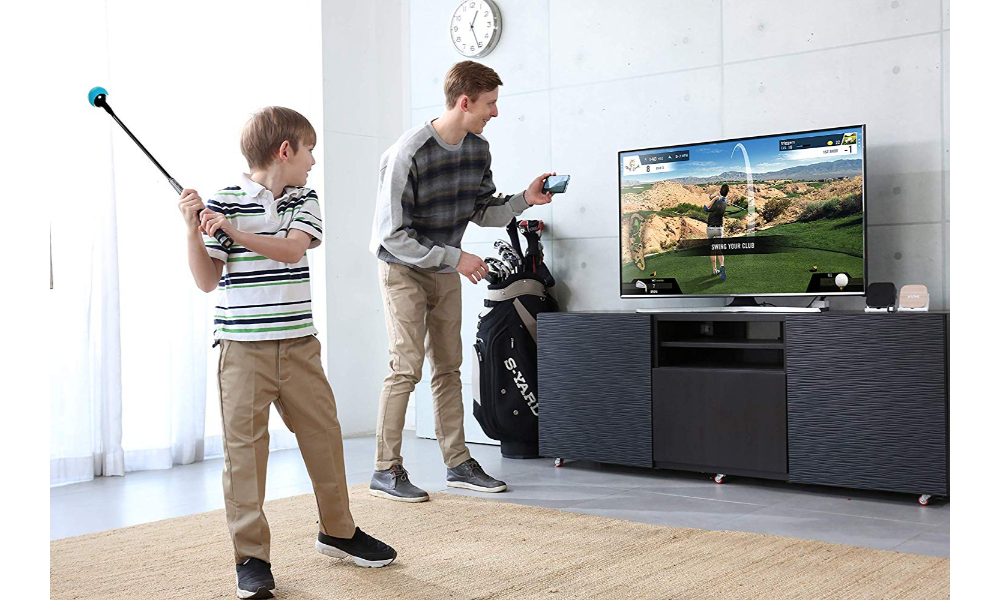
Golf simulators have come a long way since their early days as basic practice aids. What once served as a straightforward tool to help golfers refine their swing has now become an immersive, data-driven experience that blends training, entertainment, and connectivity. Today’s smart simulators, like Phigolf 2, represent the peak of this evolution, offering advanced features that cater to both beginners and seasoned players alike.
Early Days: Simple Practice Tools
The earliest golf simulators were designed to provide players with basic feedback on their swings. These systems often required large setups and provided limited insights. While useful, they lacked the precision and portability that modern golfers expect. The experience was more about repetition than true performance analysis.
Transition to Interactive Systems
As technology improved, simulators began integrating sensors, graphics, and software that allowed players to experience virtual courses. This transition made training more engaging and began to bridge the gap between practice and play. Still, many of these systems remained bulky and expensive, limiting access for everyday golfers.
The Arrival of Smart Simulators
Today, smart devices have revolutionized golf training. Compact, portable systems like Phigolf 2 bring advanced swing analysis and immersive gameplay into the comfort of your home. These simulators track swing speed, accuracy, and rhythm with precision, while also offering multiplayer options and compatibility with popular golf apps. This combination of convenience and technology has redefined how golfers learn and practice.
Accessibility and Affordability
One of the most significant shifts in golf simulators has been accessibility. What was once reserved for professional training facilities is now available to anyone with a smartphone and a small practice space. Phigolf 2, for example, eliminates the need for costly installations, making high-quality golf training accessible for families, couples, and individuals alike.
Beyond Training: A Social Experience
Modern simulators are not just about improving your swing – they’re about connection. With online tournaments and multiplayer modes, golfers can engage with friends and global communities. This social aspect represents an important part of the evolution, as simulators now foster both skill development and shared experiences.
Conclusion
The journey from simple tools to smart devices has transformed golf simulators into essential companions for modern players. With innovations like Phigolf 2, golfers can enjoy realistic gameplay, detailed analytics, and meaningful social connections – all from the comfort of their homes. The future of golf training is smarter, more accessible, and more engaging than ever before.