


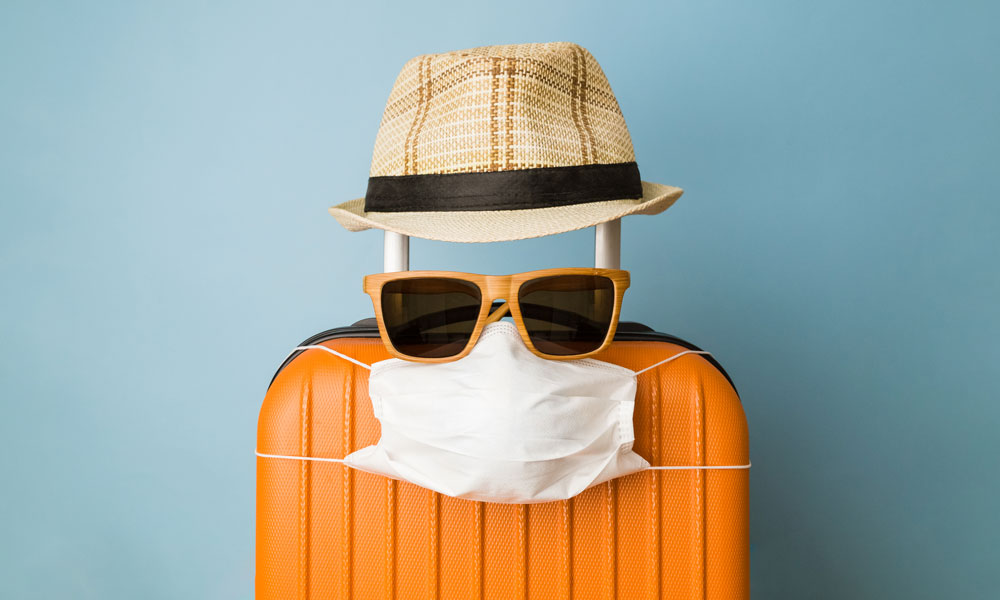
Imagine landing in a new city and walking straight out of the airport without waiting at baggage claim. No lost luggage. No overstuffed suitcase to drag behind you. This is the new travel mindset—a minimalist approach where less really is more.
Traveling without traditional luggage, or with the absolute minimum, is quickly gaining popularity among modern adventurers, digital nomads, and business travelers alike. It’s not just a packing trend—it’s a movement toward freedom, intentionality, and sustainable exploration.
What Does It Mean to Travel Without Luggage?
Traveling without luggage doesn’t always mean bringing nothing at all. It often refers to ditching large suitcases and opting for a single backpack, small duffel, or even just the essentials in your jacket or pockets. Some take it further by relying on destination-provided amenities or shipping items ahead.
There are different levels of minimalist travel:
- One-bag travel: Using a carry-on or backpack for everything.
- Personal-item-only: Limiting everything to a small under-seat bag.
- No-bag travel: Bringing nothing and sourcing what’s needed at the destination.
What sets this apart from simply “packing light” is the mindset behind it. Minimalist travelers prioritize movement, clarity, and experience over convenience and variety.
Why Minimalist Packing is on the Rise
This shift is rooted in practical and philosophical reasons:
Freedom of Movement
Without bulky luggage, you can walk, bike, or take public transit more easily. It’s faster to get through airports, easier to switch cities on a whim, and simpler to explore without being weighed down.
Cost Efficiency
Airlines often charge extra for checked bags. Traveling light eliminates these fees and reduces the temptation to overpack or purchase extra luggage accessories.
Reduced Stress
With fewer items, there’s less to worry about. You won’t lose time repacking or organizing. Forget the anxiety of forgetting something—you’ve already narrowed your needs to the essentials.
Eco-Consciousness
A lighter load contributes to reduced carbon emissions in transport. Many minimalist travelers also lean toward sustainable products and practices, such as reusables and eco-friendly gear.
The Minimalist Travel Mindset
At its core, minimalist travel is about intention. Every item is chosen for purpose and versatility.
Essentials Only
Items serve multiple functions: one shirt that can be worn casually or dressed up, one pair of shoes that fits any occasion.
Digital Tools
Phones replace maps, cameras, books, and boarding passes. Cloud storage eliminates the need for physical documents.
Adaptability
Minimalist travelers embrace the unknown. If they forgot something? They’ll adapt or buy it locally. It’s part of the experience.
How to Travel With the Bare Minimum


Clothing Tips
Pack only what you’ll wear—ideally items that mix and match. Neutral tones, layerable pieces, and lightweight fabrics work best. Quick-dry and odor-resistant fabrics help you rewear items without issue.
Smart Toiletries
Opt for solids like bar soap or shampoo bars to avoid liquid limits. Reuse hotel products or carry multi-use items like a single balm for skin, lips, and hair.
Essential Gear
Use your phone for navigation, entertainment, and bookings. Bring a compact charger and a foldable tote for errands or shopping.
Wear the Bulky Stuff
Wear your heaviest or largest clothing items on the plane: jackets, sneakers, or thicker pants.
Travel Hacks
- Use a vest or jacket with extra pockets
- Book accommodations with laundry access
- Ship items ahead for longer trips
- Rent gear locally if needed
Best Trips for Luggage-Free Travel
Some destinations and travel types lend themselves better to going light:
- Weekend getaways or city breaks
- Short business trips
- Warm-weather travel (lighter clothing)
- One-destination stays (no need for extra options)
- Guided tours or cruises (less personal gear needed)
Minimalist packing also works well when visiting familiar places or staying with friends or family who can lend essentials.
Real-World Inspiration
From YouTube travelers documenting one-bag journeys to bloggers trying 30-day no-luggage challenges, the minimalist travel community is growing. Gear companies have taken note, creating ultra-light backpacks, travel-friendly clothing, and modular packing systems designed for maximum efficiency.
These real-life stories show that less stuff doesn’t mean less experience—it often means more room for spontaneity, interaction, and presence.
Challenges and How to Overcome Them
Minimalist travel has its trade-offs, but most are manageable:
Limited Wardrobe Variety
Pack clothes that do double duty and accept repeating outfits—it’s normal when traveling.
Unexpected Needs
Most essentials can be bought or borrowed at your destination. Packing basics like painkillers, a travel adapter, and a small sewing kit can help avoid common issues.
Weather or Culture Concerns
Research the local climate and dress code. Layer strategically or plan to pick up specific items locally if needed.
Comfort Zone Adjustment
Try minimalist travel for a weekend or short trip first. With each success, confidence grows.
Changing the Way We Travel
Minimalist packing is more than just efficient—it’s a shift toward meaningful exploration. It aligns with a broader trend of conscious travel: seeking connection over consumption, depth over breadth.
As more travelers embrace this mindset, the focus moves away from accumulating souvenirs or checking off lists and toward fully engaging with people, places, and moments.