


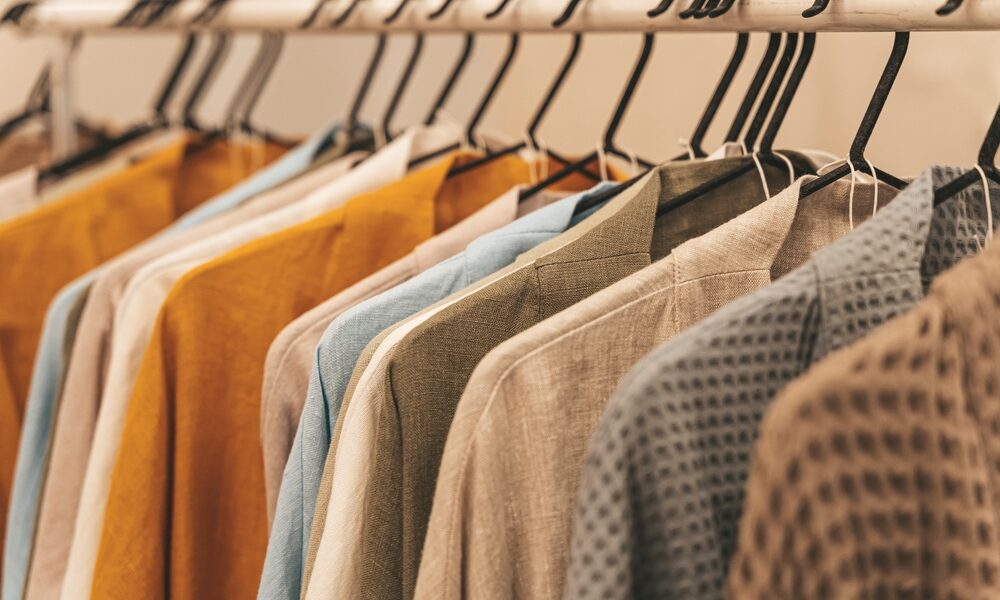
As awareness of the environmental impact of fashion grows, consumers are rethinking how they interact with their wardrobes. From textile waste to overconsumption, the way we shop has significant consequences. One emerging solution is clothing rental, an alternative that challenges the traditional model of buying and owning clothing. But is it truly sustainable? And how does it compare to simply buying less and buying better?
Let’s dive into the details of clothing rental versus buying, and explore what the future might hold for sustainable fashion.
The Environmental Impact of Fashion
The fashion industry is a major contributor to environmental degradation. It produces around 10% of global carbon emissions and is the second-largest consumer of water. Fast fashion, in particular, has led to overproduction and excessive waste, with millions of garments ending up in landfills every year.
Synthetic materials like polyester take hundreds of years to decompose and release microplastics into the environment. All of this points to a clear need for more sustainable practices, prompting consumers and brands to explore alternatives like renting, swapping, and second-hand buying.
What is Clothing Rental?
Clothing rental involves borrowing clothes for a set period instead of purchasing them outright. These services are often subscription-based or allow one-time rentals, catering to both special events and everyday wear. Platforms like Rent the Runway, Nuuly, and My Wardrobe HQ have made it easy to access high-end fashion without the long-term commitment.
The appeal lies in being able to experiment with different styles, reduce waste, and participate in a circular economy—where clothes are reused rather than discarded.
Buying Clothes: Where It Still Makes Sense
Buying clothes still has its place, especially when it comes to daily basics or items you’ll wear repeatedly. Owning clothing can be more cost-effective over time and gives you full control over customization, fit, and care.
However, impulse buying and chasing trends often lead to overstuffed wardrobes filled with items worn only once or twice. This pattern contributes to the environmental burden of fashion.
Renting: A New Model for Fashion Consumption


Clothing rental can be an excellent solution for short-term needs—special occasions, changing sizes, or fashion experimentation. It allows access to quality clothing without overproduction. Renting encourages mindful consumption, especially among people who want variety without adding to their closet permanently.
But it’s not without drawbacks. The logistics of cleaning, shipping, and packaging can still generate emissions and resource use. Frequent dry cleaning and transport between customers may reduce the overall sustainability if not managed responsibly.
Cost Comparison
In terms of cost, renting is often cheaper for single-use occasions. For example, a designer dress might cost hundreds to buy but only a fraction to rent. However, renting everyday basics may not make financial sense in the long run.
Renting can also come with hidden costs like delivery fees, damage insurance, or cleaning charges. Buying, while more expensive upfront, offers better value over time for staple items.
Consumer Trends and Behavioral Shifts
Younger generations, particularly Gen Z and Millennials, are more open to fashion rentals. Social media plays a role here—people are less inclined to repeat outfits in photos, driving the demand for variety. There’s also a broader cultural shift from ownership to access, seen in everything from entertainment subscriptions to transportation.
Clothing rental fits well within this shift, appealing to those who prioritize experience, flexibility, and sustainability.
How Sustainable Is Rental, Really?
The sustainability of clothing rental depends on several factors:
- How many times a garment is rented
- The transportation and cleaning methods used
- The materials and production practices of the rented clothing
If a garment is rented dozens of times and replaces many fast fashion purchases, its environmental impact is significantly reduced. However, if it’s shipped long distances and dry-cleaned between each use, those benefits can diminish.
Alternatives to Rental and Buying
Rental isn’t the only sustainable option. Thrift shopping, clothing swaps, and capsule wardrobes are gaining popularity. These practices support slow fashion—focusing on quality, versatility, and longevity over volume and trends.
Some brands are even experimenting with hybrid models, offering rent-to-own or resale options to further reduce waste.
The Future of Sustainable Fashion
Sustainable fashion is unlikely to be defined by a single solution. Renting, buying thoughtfully, thrifting, and upcycling all have roles to play. The key lies in making intentional choices—whether that means renting for a wedding or investing in timeless, long-lasting pieces.
As technology and consumer habits evolve, rental models may become more efficient and accessible. But ultimately, it’s not just about what we wear—it’s about how we choose to wear it.